



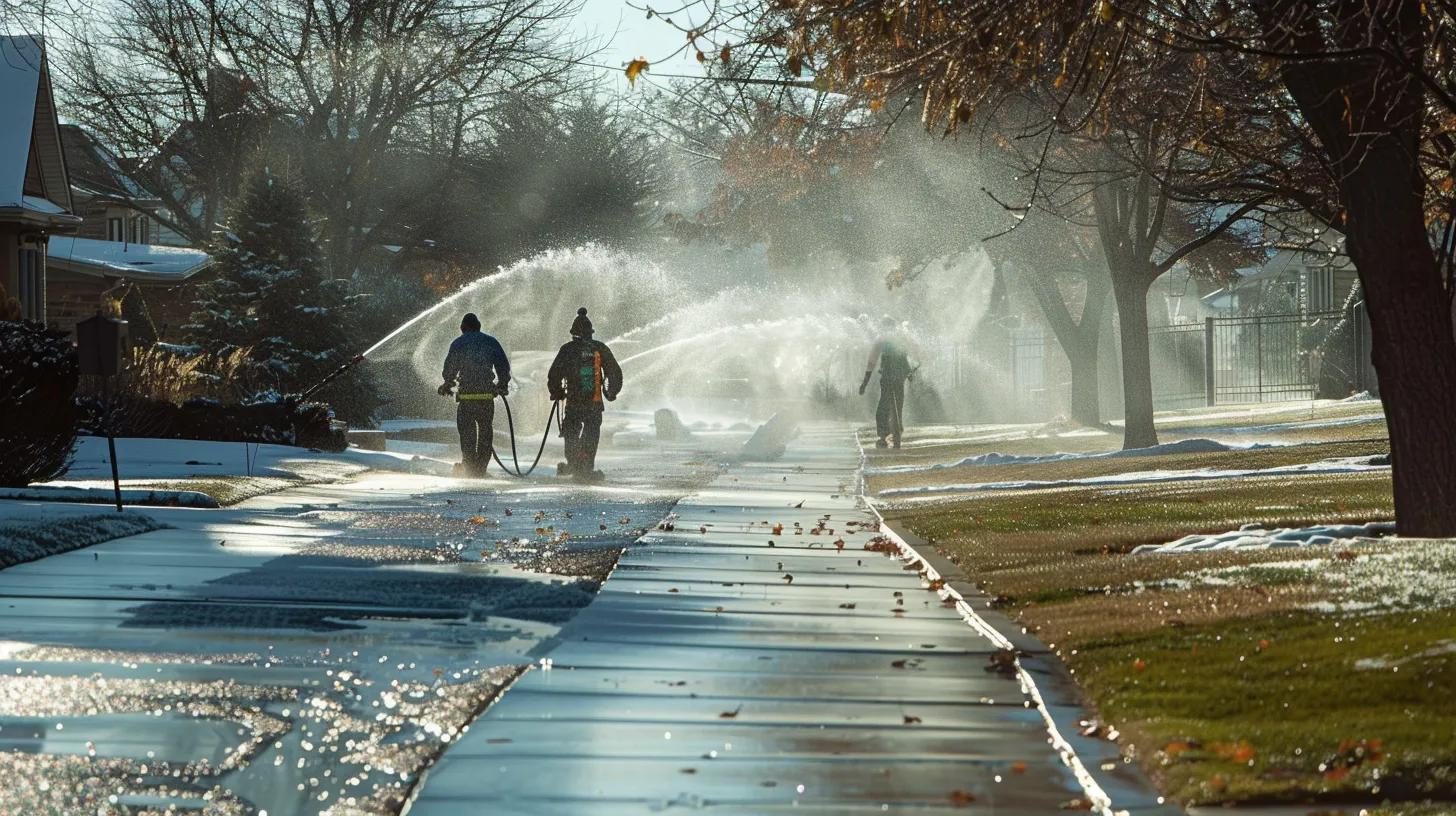
Essential Winterization Checklist for Your Sprinkler System in Toronto
Essential Winterization Checklist for Your Sprinkler System in Toronto
As winter approaches, ensuring your sprinkler system is properly winterized is crucial for maintaining its longevity and functionality. This comprehensive guide will provide you with an essential sprinkler winterization checklist tailored for Toronto homeowners, detailing the steps necessary to protect your irrigation investment. Many homeowners overlook the importance of winterization, which can lead to costly repairs and system failures when spring arrives. By following this checklist, you can prevent freeze damage and ensure your sprinkler system operates efficiently when the warmer months return. In this article, we will cover the importance of winterization, the best timing for the process, essential steps to take, and whether to choose a DIY approach or hire a professional service.
Why Is Sprinkler Winterization Crucial for Toronto Homeowners?
Winterization is essential for protecting your sprinkler system from the harsh winter conditions that can lead to significant damage. In Toronto, where temperatures can plummet well below freezing, the risk of freezing water poses a serious threat to your irrigation system.
What Risks Does Freezing Water Pose to Sprinkler Systems?
Freezing water can cause pipes to burst, leading to extensive damage and costly repairs. When water freezes, it expands, which can crack or break pipes, valves, and other components of your sprinkler system. This damage not only requires immediate repair but can also lead to long-term issues if not addressed properly.
How Does Proper Winterization Prevent Costly Repairs?
Proper winterization can save homeowners significant money in the long run. By taking the necessary steps to prepare your sprinkler system for winter, you can avoid the high costs associated with repairing or replacing damaged components. While specific statistics vary, industry experts agree that neglecting winterization often leads to repair costs that far exceed the investment in preventive measures.
When Is the Best Time to Winterize Your Sprinkler System in Ontario?
Timing is critical when it comes to winterizing your sprinkler system. Understanding the optimal dates and temperature triggers can help ensure your system is adequately protected.
What Are the Optimal Dates and Temperature Triggers for Winterization?
In Ontario, the best time to winterize a sprinkler system is typically between mid-October and early November. Homeowners should monitor local weather forecasts for the first frost dates, as this is a key indicator that it’s time to begin the winterization process. It is advisable to complete winterization before the ground freezes, which can vary year to year.
How Do Local Climate Factors Influence Winterization Timing?
Local climate factors, such as microclimates in Toronto, can significantly influence when to winterize. Areas that experience milder temperatures may require slightly later timing compared to those that face harsher conditions. Understanding these variations can help you make informed decisions about when to winterize your system.

What Are the Essential Steps in the Sprinkler Winterization Checklist?
Following a systematic checklist can ensure that your sprinkler system is properly winterized. Here are the essential steps to take:
- Shut Off the Water Supply: Locate the main shut-off valve and turn off the water supply to your sprinkler system. This step is crucial to prevent any water from remaining in the pipes
- Drain Your Sprinkler System: There are several methods to drain your system effectively, including manual drainage and using an air compressor for a blowout
- Perform a Sprinkler Blowout Using an Air Compressor: This method involves using an air compressor to blow out any remaining water in the pipes, ensuring that no water is left to freeze
- Winterize Backflow Preventers and Exposed Components: Insulate any exposed components and backflow preventers to protect them from freezing temperatures
- Power Down Your Sprinkler Controller for Winter: Ensure that your sprinkler controller is powered down to prevent any accidental activation during the winter months
How to Shut Off the Water Supply Safely
To shut off the water supply safely, locate the main shut-off valve, which is typically found near the water meter or where the irrigation system connects to the main water line. Turn the valve clockwise until it is fully closed. This step prevents water from entering the system and reduces the risk of freeze damage.
What Are the Methods to Drain Your Sprinkler System Effectively?
There are two primary methods for draining your sprinkler system: manual drainage and blowout. Manual drainage involves opening the drain valves and allowing water to flow out, while the blowout method uses an air compressor to force water out of the system. Each method has its advantages, and the blowout method is often recommended for thorough drainage. However, caution is advised to avoid damaging the system with excessive air pressure.
How to Perform a Sprinkler Blowout Using an Air Compressor
To perform a blowout, connect an air compressor to the system’s blowout port. Gradually increase the air pressure to push water out of the pipes. It is essential to monitor the process closely to avoid damaging the system. Always follow safety precautions, such as wearing protective eyewear and ensuring the compressor is set to the appropriate pressure (typically not exceeding 50 psi for residential systems).
How to Winterize Backflow Preventers and Exposed Components
Backflow preventers and exposed components should be insulated to protect them from freezing temperatures. Use foam insulation or specialized covers to shield these parts from the cold. This step is vital for maintaining the integrity of your sprinkler system.
How to Power Down Your Sprinkler Controller for Winter
To power down your sprinkler controller, locate the power switch and turn it off. If your controller has a battery backup, remove the batteries to prevent any accidental activation during the winter months.

Should You Choose DIY or Professional Sprinkler Winterization in Toronto?
Deciding between a DIY approach and hiring a professional service can significantly impact the effectiveness of your sprinkler winterization efforts.
What Are the Pros and Cons of DIY Winterization?
DIY winterization can save you money and provide a sense of accomplishment. However, it requires a certain level of knowledge and skill to ensure that the process is done correctly. Mistakes can lead to costly repairs, making it essential to weigh the pros and cons carefully. Additionally, improper use of an air compressor during blowout can damage the system.
Why Hire a Professional Sprinkler Winterization Service?
Hiring a professional service ensures that your sprinkler system is winterized correctly. Professionals have the expertise and equipment necessary to perform the job efficiently, reducing the risk of damage. Additionally, they can identify potential issues that may need attention before winter sets in.
How Can A.A. Waters & Brookes Help Protect Your Sprinkler System This Winter?
A.A. Waters & Brookes is a well-established irrigation company serving the Greater Toronto Area since 1987. Our expertise in sprinkler system installation and maintenance makes us a reliable choice for winterization services.
What Expertise and Experience Does A.A. Waters & Brookes Offer?
With decades of experience in the industry, A.A. Waters & Brookes has the knowledge and skills to ensure your sprinkler system is properly winterized. Our team is trained to handle various irrigation systems, providing tailored solutions to meet your needs.
How to Get a Free Quote for Professional Winterization Services?
To obtain a free quote for professional winterization services, contact A.A. Waters & Brookes directly. Our team will guide you through the process and provide an estimate based on your specific requirements.
What Are the Most Frequently Asked Questions About Sprinkler Winterization?
Understanding common concerns can help homeowners make informed decisions about winterization.
Why Is Winterization Important in Toronto’s Climate?
Sprinkler Winterization is crucial in Toronto’s climate due to the risk of freezing temperatures that can cause significant damage to sprinkler systems. Proper winterization protects your investment and ensures your system is ready for use in the spring.
Can I Perform a DIY Sprinkler Blowout Safely?
Yes, you can perform a DIY sprinkler blowout safely by following proper procedures and using the right equipment. However, it is essential to understand the risks involved and ensure you are adequately prepared to handle the process. If unsure, hiring a professional is recommended to avoid potential damage.