



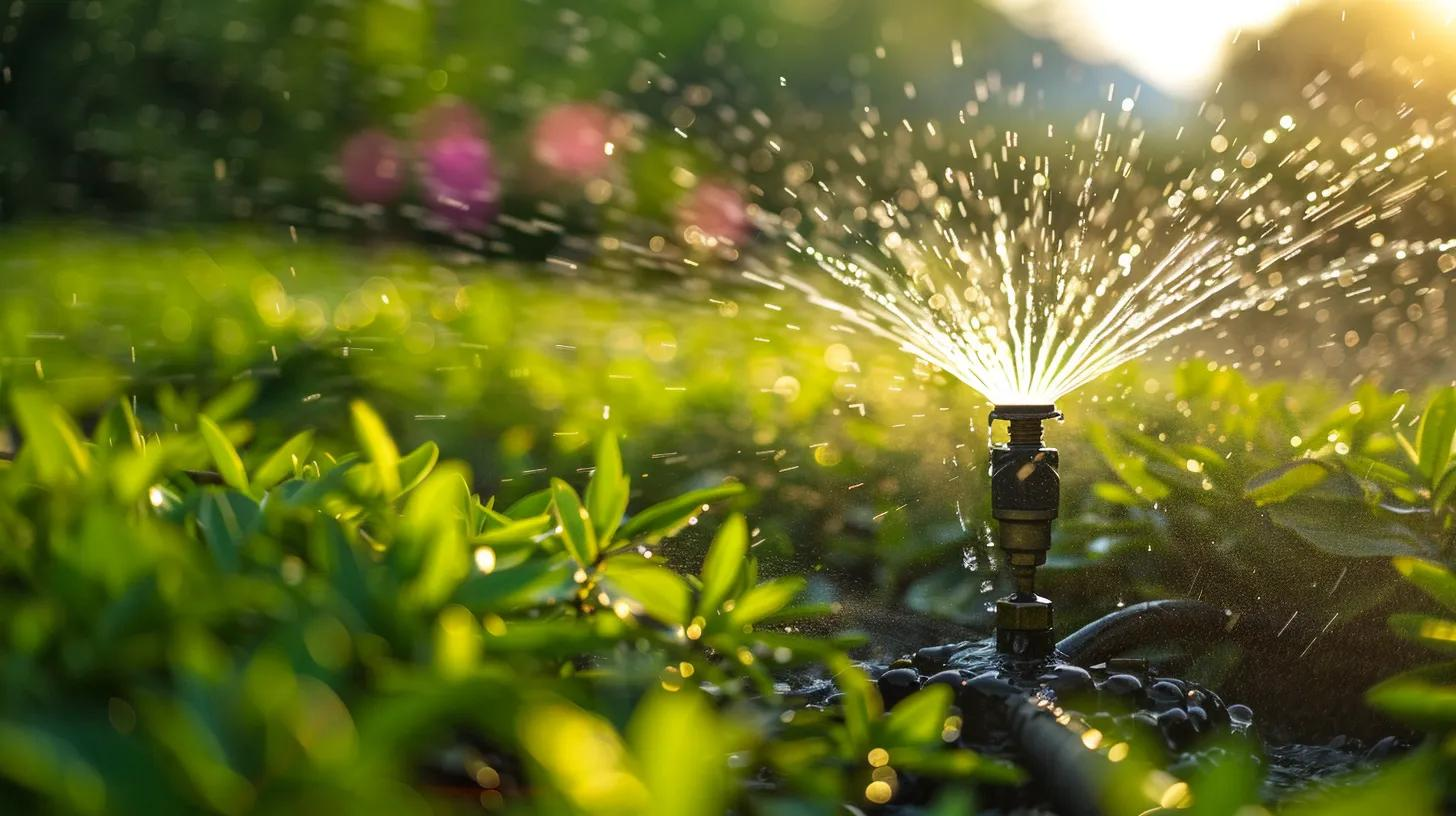
Essential Signs That Show Your Sprinkler Needs Expert Attention
7 Clear Signs Your Sprinkler System Needs a Professional Upgrade and Why It Matters
Upgrading a sprinkler system is an essential investment for homeowners who wish to maintain a lush, healthy landscape while conserving water and avoiding costly repairs. Over time, even well-installed systems, including modern lawn sprinklers, can show signs of wear and inefficiency, leading to water damage, high bills, or uneven irrigation. This article explains the clear signs that your sprinkler system requires a professional upgrade, and why updating components—such as controllers, sensors, and nozzles—can improve water efficiency, curb appeal, and property value. In addition, proper sprinkler-system winterization in colder months helps maintain system integrity and extends the life of your installation. By addressing these issues early, homeowners can ensure proper irrigation, reduce repair costs, and comply with local regulations.
Transitioning now to the main indicators of a failing sprinkler system, the following sections provide insights into each sign and strategies for planning an upgrade.
What Signs Indicate That My Existing Sprinkler System Needs a Professional Upgrade
Inconsistent watering patterns, low water pressure, leaks, damaged sprinkler heads, and sudden increases in water bills are red flags that your system may be outdated or malfunctioning.
Observing Inconsistent Watering Patterns and Dry Spots
When parts of your lawn or garden receive too little or too much water, it may be due to aging pipes, outdated nozzle designs, or blockages. A professional inspection can diagnose these issues and recommend targeted upgrades to ensure a more uniform water distribution. Improved irrigation not only benefits plant health in areas with strict water regulations but also reduces stress on your landscape during drought conditions.
Identifying Persistently Low Water Pressure or Weak Spray
A noticeable drop in water pressure or a weak spray may result from clogged nozzles, corroded pipes, or an outdated controller. Technicians can test the water pressure to determine whether the problem lies at the source or within the sprinkler network. Upgrading pressure regulators, valves, and nozzles can restore proper pressure, ensuring all areas receive adequate hydration.
Detecting Leaks, Puddles, or Unexplained Wet Areas
Regular leaks, puddles, or damp spots on driveways or near foundations often indicate internal pipe damage or poor system calibration. These issues risk mold growth, soil erosion, and structural damage. Using modern pressure monitoring and moisture sensors, professionals can detect leaks early—preventing costly repairs and reducing water wastage.
Noticing Damaged, Broken, or Stuck Sprinkler Heads
Sprinkler heads that no longer swivel or spray evenly are clear signs of wear and tear. Exposure to the elements or damage from lawn equipment can render heads inefficient. A professional inspection will reveal whether replacement of the heads or repairs to supporting brackets are needed. Upgraded components ensure reliable water distribution and extend overall system lifespan.
Experiencing Sudden Increases in Water Bills Without Cause
Unexplained spikes in water bills may be due to leaks or inefficiencies in an outdated system. Even if you are mindful of water use elsewhere, an old, leaking, or misconfigured sprinkler system can drive up costs. A comprehensive audit can identify hidden leaks or over-irrigated zones, and modern smart controllers can automatically adjust watering schedules based on real-time weather data, helping to reduce future wastage.
Assessing the Age and Wear of Your Current Sprinkler Components
Evaluating the age and condition of your sprinkler system is key when considering an upgrade. Over time, components lose efficiency and become more prone to failure.
Recognizing Outdated Controller Technology and Its Limitations
Older controllers often lack features such as weather-based adjustments, remote access, and integration with soil moisture sensors. These limitations can lead to inefficient watering schedules that overwater or underwater different landscape zones. Upgrading to a modern smart controller can increase water efficiency by integrating real-time data and reducing the need for manual adjustments.
Checking for Corroded Pipes or Brittle Fittings
Corrosion in metal pipes or brittle plastic fittings can result in frequent leaks or breakages. Regular inspections reveal signs of deterioration that threaten the integrity of your irrigation system. Modern upgrades replace outdated materials with durable, corrosion-resistant components, thereby extending the system’s life and ensuring efficient water flow.
Evaluating the Lifespan of Existing Valves and Nozzles
Valves and nozzles experience mechanical wear over time. Stuck valves or blocked nozzles may lead to inconsistent spray patterns and reduced performance. Evaluating these components against manufacturer recommendations helps determine if an upgrade is necessary. Replacing aging parts as a group can modernize your system and enhance its overall efficiency.
Considering the System’s Performance Decline Over Years of Use
Even without obvious failures, a gradual decline in performance is common as components age. Lower water pressure, reduced spray uniformity, and incompatibility with new water-saving technologies can result in higher operational costs. Homeowners should weigh these performance declines against the benefits of modern systems that offer improved water efficiency and durability.
Determining if Your Sprinkler System Wastes Water or Lacks Efficiency
Efficient water use is a cornerstone of sustainable lawn management. An inefficient system may overuse water, damage plant health, and drive up utility bills.
Calculating Current Water Usage for Your Landscaping Needs
By reviewing water bills and monitoring specific zones, homeowners can assess overall water consumption. Professional audits that measure flow rates help pinpoint areas where water is under- or overused. This information allows for targeted upgrades that better align water output with the actual needs of your landscape.
Identifying Areas Receiving Too Much or Too Little Water
An imbalance in water distribution is typically caused by poor nozzle calibration, misaligned sprinkler heads, or outdated system design. A detailed zone-by-zone evaluation can help customize solutions—such as installing high-efficiency nozzles or drip irrigation—to ensure each area receives its optimal amount of water, reducing waste and promoting plant health.
Understanding How Modern Upgrades Conserve Water Resources
Modern irrigation systems utilize smart controllers and soil moisture sensors that automatically adjust watering schedules based on environmental conditions. These improvements help eliminate unnecessary water use by matching irrigation to rainfall and temperature fluctuations, thereby reducing runoff and lowering bills.
Assessing Runoff and Its Impact on Water Bills and Plant Health
Excessive water runoff indicates that water is not adequately absorbed by the soil, wasting resources and possibly damaging plants. Professional system audits can assess the level of runoff and suggest adjustments in timing and pressure to minimize loss. Upgrades, such as improved nozzle design or drip irrigation, help ensure that water soaks into the soil where it is most needed.
Adapting Your Sprinkler System to Landscape Changes or Needs
Landscapes often evolve with new garden beds, tree placements, and outdoor constructions. An outdated sprinkler system might not effectively cover these changes, leading to uneven growth and water stress.
Addressing New Garden Beds or Altered Lawn Shapes
When new garden beds are added or lawns are reshaped, the existing sprinkler layout may no longer provide proper coverage. Professionals can recalibrate or redesign the system to include additional zones or reposition sprinkler heads so that water distribution matches the new landscape layout.
Ensuring Adequate Coverage for Mature Plants and Trees
Mature trees and established shrubs require deep, infrequent watering, while newer plants may need more regular moisture. An adaptable system can be configured with various nozzle types and adjustable heads to offer both deep and shallow watering solutions, ensuring that each plant receives the appropriate amount of water.
Considering Water Requirements for Different Plant Types
Different plant species have varying water needs. Drought-resistant plants require less frequent watering compared to water-loving varieties such as ferns. By programming zones specifically tailored to the needs of different plants, a modern sprinkler system can improve overall water efficiency and enhance landscape health.
Planning Sprinkler Adjustments After Outdoor Construction Projects
Outdoor construction projects like patios or decks can disrupt existing water distribution patterns. A professional review before and after construction ensures that the sprinkler system is adjusted to maintain efficient water delivery across all areas, accommodating structural changes without compromising irrigation effectiveness.
Exploring Smart Technology for Enhanced Sprinkler Performance
Innovative irrigation technology transforms traditional systems into smart networks that respond to real-time environmental data and simplify system management.
Understanding Weather-Based Irrigation Controllers
Weather-based controllers adjust watering schedules automatically by using local weather data and on-site sensor inputs. These systems reduce water usage during rain or high humidity periods and decrease runoff. The integration of weather data leads to a more efficient and environmentally responsible system.
Investigating Soil Moisture Sensors for Precise Watering
Soil moisture sensors provide real-time measurements of water content in the soil and communicate with the irrigation controller to determine precise watering times and durations. This prevents overwatering, improves plant health, and helps conserve water by matching irrigation to actual soil requirements.
Considering Remote Access and Mobile Control Options
Remote access features allow homeowners to adjust watering schedules and monitor system performance from a smartphone. This convenience enhances system responsiveness to changing conditions and contributes to overall water efficiency, reducing the need for manual interventions.
Learning About High-Efficiency Nozzles and Drip Irrigation Benefits
Upgrading to high-efficiency nozzles ensures a more controlled spray pattern with minimal evaporation, while drip irrigation delivers water directly to plant roots. Both options significantly reduce water waste, lower consumption, and contribute to a healthier, more resilient landscape.
Understanding Why a Professional Upgrade Matters for Your Property
A professional upgrade of your sprinkler system offers benefits that go beyond water savings. Enhanced aesthetics, improved plant health, and increased property value are just some of the key advantages.
Improving Overall Lawn and Garden Health Systematically
Modern sprinkler systems distribute water evenly across your landscape, resulting in uniform growth and improved soil quality. Consistent, efficient irrigation decreases the likelihood of plant diseases caused by overwatering or moisture imbalances. This systematic approach not only improves immediate landscape appearance but also supports long-term plant health.
Increasing Property Value Through Modern Irrigation
Updated irrigation systems add value to your property. Prospective buyers appreciate reduced maintenance requirements, lower utility bills, and the modern features that contribute to sustainability. A professionally upgraded system demonstrates that the property has been maintained with quality and efficiency in mind.
Reducing Long-Term Repair Costs With Updated Components
Older systems often require frequent repairs due to wear and outdated technology. Upgrading to durable, modern components—such as smart controllers, corrosion-resistant pipes, and high-efficiency nozzles—reduces the likelihood of breakdowns and lowers overall maintenance costs. Diagnostic tools in modern systems also help prevent major issues before they become expensive repairs.
Ensuring Compliance With Local Watering Restrictions
Many regions impose watering restrictions to conserve resources during droughts. Modern irrigation systems equipped with rain sensors and smart controllers automatically adjust watering schedules to comply with these regulations, preventing fines and ensuring responsible water usage.
Gaining Peace of Mind With a Reliable Watering Solution
A professionally upgraded sprinkler system offers the reassurance that your irrigation is efficient and reliable. With reduced maintenance needs and advanced safeguards, homeowners can enjoy their outdoor spaces without worrying about water waste, system failure, or escalating bills.
Detailed List of Maintenance Upgrades and Their Benefits
- Smart Controllers – Enhanced Water Efficiency and Scheduling: Modern smart controllers integrate weather data and soil moisture readings, adjusting irrigation in real time. This reduces water waste significantly and improves plant health by delivering optimal hydration across all zones.
- Weather-Based Sensors – Automatic Adjustment of Irrigation Cycles: These sensors monitor current conditions and adjust watering times accordingly, ensuring that water delivery matches environmental needs and preventing unnecessary runoff.
- High-Efficiency Nozzles – Uniform Coverage and Reduced Evaporation: Upgraded nozzles provide a controlled spray pattern that minimizes water loss from wind and evaporation, ensuring water reaches plant roots effectively for healthier growth.
- Drip Irrigation Systems – Targeted Water Delivery for Specific Zones: Drip systems direct water precisely to the root zones, reducing usage and minimizing weed growth by ensuring water is delivered only where necessary.
- Upgraded Piping and Fittings – Improved Durability and Leak Prevention: Replacing aging pipes and fittings with modern, durable materials eliminates frequent leaks and maintains optimal water pressure, thereby reducing long-term maintenance costs.
Comparison of Traditional vs. Modern Sprinkler Systems
The Table Above Highlights How Modern Systems Offer Efficiency, Durability, and User-Friendly Management, Resulting in Significant Cost Savings and Enhanced Landscape Health.
Benefits of Professional Sprinkler Upgrades
This data demonstrates that Modern, Professionally Installed Sprinkler Systems not Only Enhance Individual Components ’Performance but also Maximize Overall Irrigation Efficiency.
Final Thoughts
Modernizing Your Sprinkler System is a strategic investment that safeguards your property while promoting sustainable Water use through Advanced Technology. Professional Upgrades Lead to More Consistent Irrigation, Significant Water Savings, and Lower Maintenance Costs. Homeowners benefit from Healthier Lawns, Increased Property Value, and Compliance with local regulations. Embracing these Improvements Today Sets the stage for a Resilient, Efficient, and Environmentally Responsible Irrigation System.
To get answers to all your questions or to get your No Cost, No Obligation, Easy-to-Understand Estimate, please contact us today!
Frequently Asked Questions
Q: How does Smart Controller Technology Improve Infiltration Efficiency?
A: Smart Controllers Automatically Adjust Watering Schedules Based on Current Weather Conditions and Soil Moisture, Ensuring Precise Irrigation and Reducing Water Runoff and Waste.
Q: Can Outdated Sprinkler Components Cause Water Damage?
A: Yes. Aged Pipes, Valves, and Nozzles Can Leak Or Burst, Leading to Water Damage and Higher Utility Costs. Upgrades: Replace THESE OLD Parts with Durable, Modern Materials that Significantly Reduce Damage Risks.
Q: What Role Do Soil Moisture Sensors Play in Conserving Water?
A: Soil Moisture Sensors Provide Real-Time Measurements of Water Content, Ensuring Water is Applied Only When Necessary. This Precise Control Prevents Overwatering and Promotes Healthier Plant Growth.
Q: Is it cost-effective to upgrade to an old sprinkler system?
A: Yes. Although the Initial Investment May Be High, long-term Term Savings from Reduced Bills, Fewer Repairs, and a Boost in Property Value Make Upgrading Very Cost-Effective.
Q: How Can I Ensure My Upgraded Sprinkler System Complies with Local Watering Restrictions?
A: Modern Systems Include Smart Controllers and Rain Sensors That Automatically Adjust Watering Schedules According to Local Regulations, Ensuring Compliance While Maintaining Effective Irrigation.
Q: Do Professional Upgrades Offer Long-Term Maintenance Benefits?
A: Absolutely. Updated Systems Require Less Frequent Maintenance, Offer Diagnostic Features to Detect Issues Early, and Reduce The Likelihood of Expensive Repairs Over Time.