



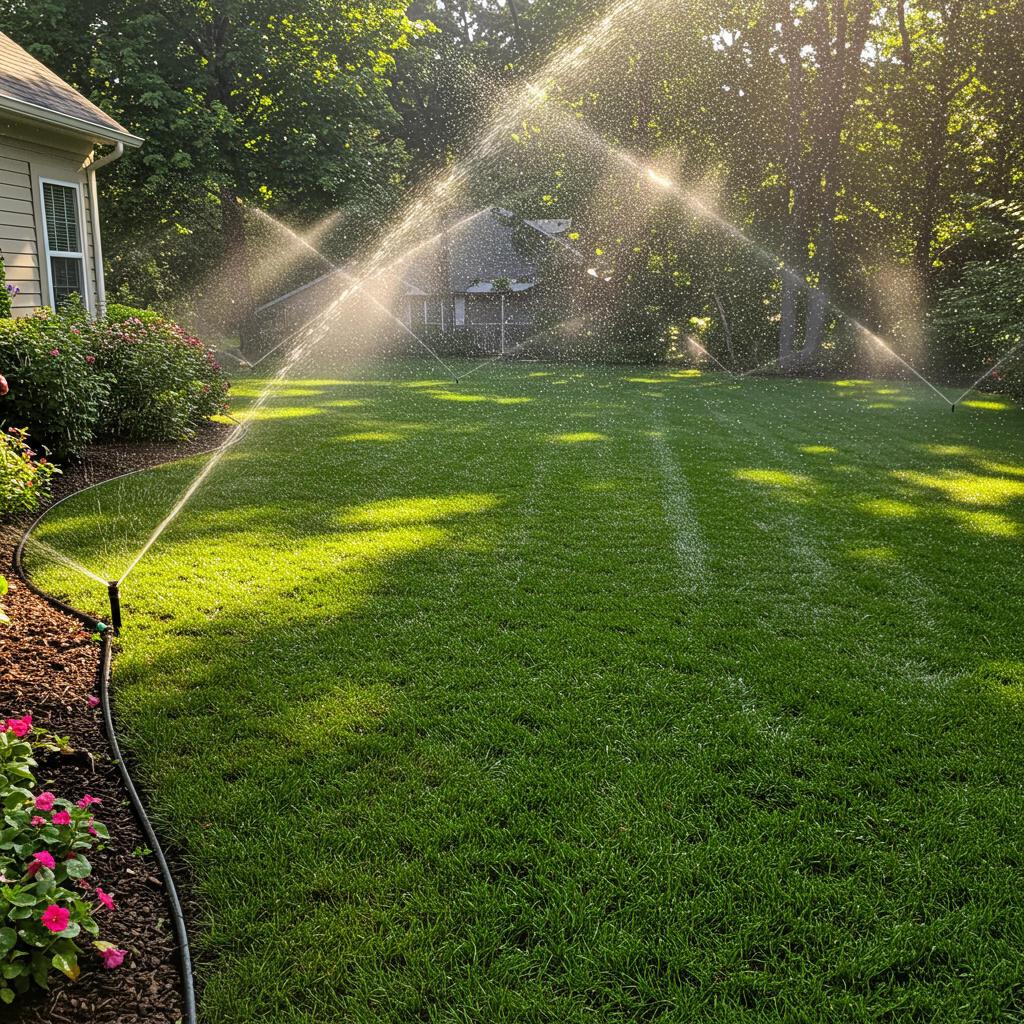
Benefits of Smart Irrigation for Your Toronto Home
Benefits of Smart Irrigation for Your Toronto Home
Smart irrigation systems are revolutionizing the way homeowners manage their gardens and lawns, particularly in urban settings like Toronto. These advanced systems utilize technology to optimize water usage, ensuring that plants receive the right amount of water at the right time. This article will explore the numerous benefits of smart irrigation, including water conservation, cost savings, and environmental impact. Homeowners often face challenges with traditional irrigation methods, such as overwatering or inefficient water use, which can lead to higher bills and unhealthy landscapes. By adopting smart irrigation solutions, you can address these issues effectively. We will delve into how these systems work, their key features, and their contributions to both your wallet and the environment.
How Does a Smart Sprinkler System Optimize Water Use in Toronto?
A smart sprinkler system optimizes water use by employing real-time data to adjust watering schedules based on current weather conditions and soil moisture levels. This technology significantly reduces water waste, ensuring that plants receive adequate hydration without excess runoff. By utilizing sensors and weather forecasts, these systems can determine the optimal times for watering, which not only conserves water but also promotes healthier plant growth. In Toronto, where water conservation is increasingly important, smart irrigation systems align with local sustainability goals.
What Are the Key Features of Automated Watering Systems?
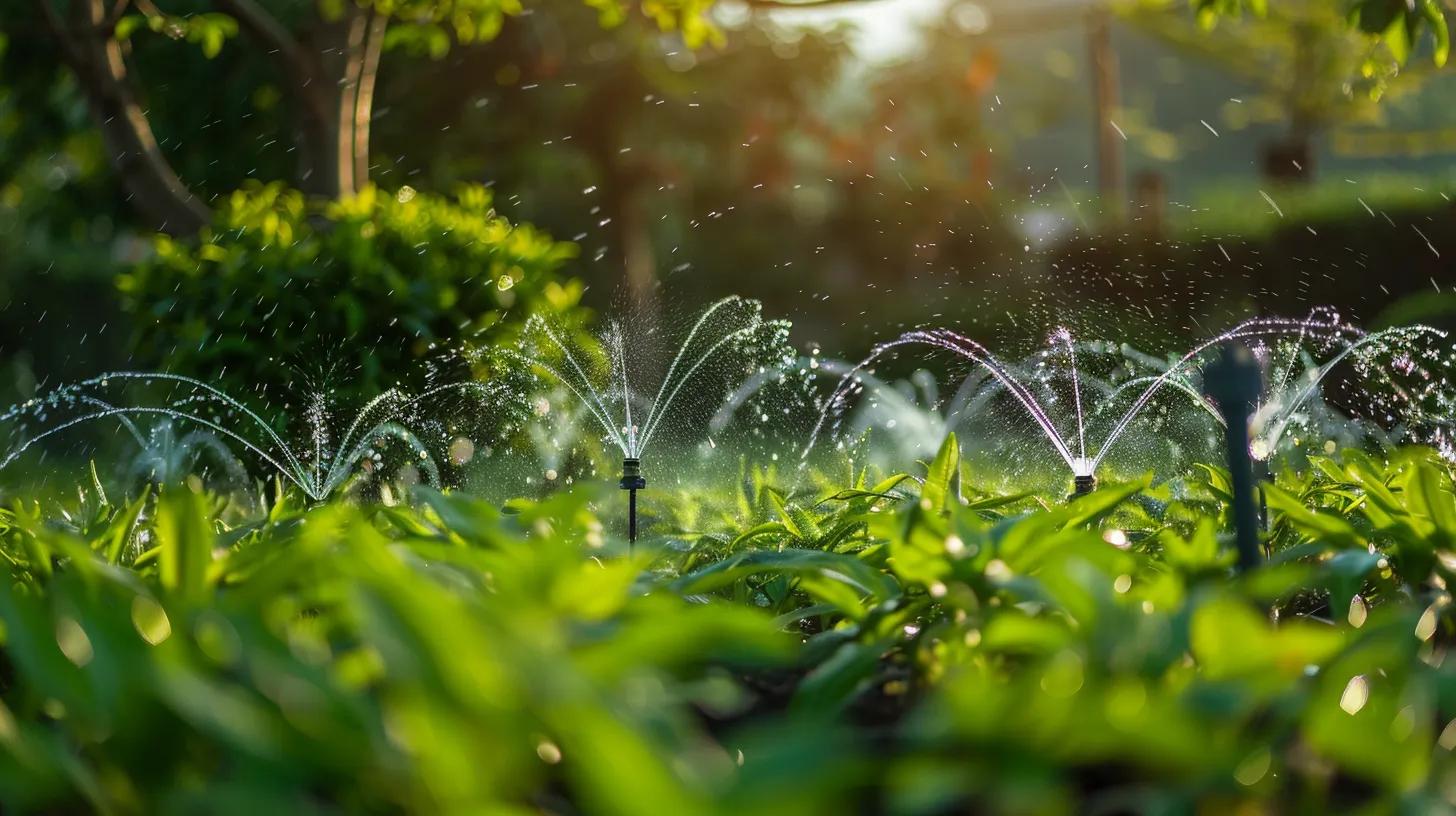
Automated watering systems come equipped with several key features that enhance their efficiency and effectiveness:
- Dynamic Watering Adjustments: These systems can modify watering schedules based on real-time weather data, ensuring that plants are watered only when necessary
- Remote Control Capabilities: Homeowners can manage their irrigation systems from anywhere using smartphone apps, providing convenience and flexibility
- Leak Detection Features: Many smart systems include sensors that can detect leaks, preventing water waste and potential damage to your property
These features collectively contribute to a more efficient and user-friendly irrigation experience.
How Does Smart Irrigation Contribute to Water Bill Savings?
Smart irrigation systems can lead to significant savings on water bills, with some homeowners reporting reductions of up to 30-50%. By minimizing water waste and ensuring that irrigation occurs only when needed, these systems help lower overall water consumption. Additionally, the efficiency of smart irrigation can reduce maintenance costs associated with overwatering, such as lawn repair and plant replacement. As property values increase with well-maintained landscapes, investing in smart irrigation not only saves money but also enhances the overall value of your home.
Research further supports the substantial water savings achievable with smart irrigation controllers.
What Are the Environmental Benefits of Residential Irrigation Automation?
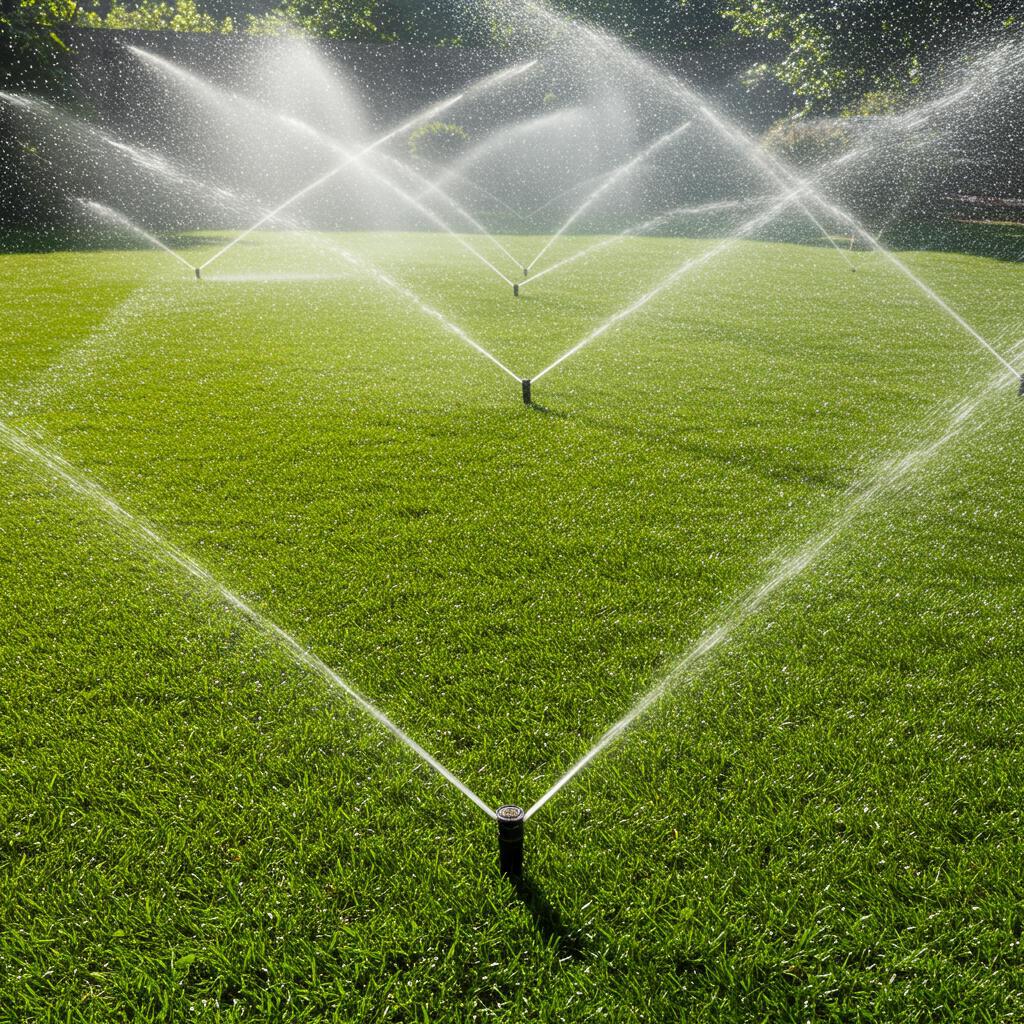
The environmental benefits of residential irrigation automation are substantial. Smart irrigation systems help to:
- Minimize Water Waste: By using precise watering techniques, these systems significantly reduce the amount of water wasted through runoff and evaporation
- Reduce Runoff and Erosion: Efficient watering practices help maintain soil integrity, preventing erosion and promoting healthier landscapes
- Promote Healthier Landscapes: With optimal moisture levels, plants thrive, contributing to a more vibrant and sustainable environment
These advantages align with broader environmental goals, making smart irrigation a responsible choice for homeowners.
How Does Smart Irrigation Support Toronto’s Water Conservation Goals?
Smart irrigation systems play a crucial role in supporting Toronto’s water conservation goals. By aligning with local guidelines and encouraging sustainable practices, these systems help manage urban water resources more effectively. They contribute to urban water management strategies that aim to reduce overall consumption and promote responsible water use among residents. As Toronto continues to face challenges related to water scarcity, adopting smart irrigation technology becomes increasingly vital.
What Impact Does Eco-Friendly Irrigation Have on Lawn Health?
Eco-friendly irrigation practices, such as those employed by smart systems, have a positive impact on lawn health. These systems ensure that:
- Optimal Moisture Levels Are Maintained: By delivering the right amount of water, plants can absorb nutrients more effectively
- Overwatering Issues Are Prevented: Smart irrigation systems help avoid the common pitfalls of traditional watering methods, such as soggy soil and root rot
- Nutrient Uptake Is Enhanced: Healthy moisture levels promote better nutrient absorption, leading to lush, vibrant lawns
The result is a healthier landscape that not only looks good but also supports local biodiversity.
What Is the Installation Process for Smart Irrigation Systems in Toronto Homes?
The installation process for smart irrigation systems typically involves several key steps:
- Initial Consultation and Design: A professional will assess your landscape and design a customized irrigation plan tailored to your specific needs
- Equipment Selection and Installation: The right components, such as smart controllers and soil moisture sensors, are selected and installed
- Calibration and Testing: Once installed, the system is calibrated to ensure optimal performance, followed by thorough testing to confirm functionality
This structured approach ensures that your smart irrigation system is set up for success.
How Is a Customized Smart Irrigation System Designed for Local Conditions?
Designing a customized smart irrigation system for local conditions involves several considerations:
- Assessment of Landscape Needs: Understanding the specific watering requirements of different plants in your garden is crucial
- Selection of Smart Components: Choosing the right sensors and controllers that can adapt to Toronto’s climate is essential for efficiency
- Integration with Local Climate Considerations: The system must be designed to respond to local weather patterns, ensuring that it operates effectively throughout the year
This tailored approach maximizes the benefits of smart irrigation for your home.
What Are the Steps for Professional Installation and Setup?
Professional installation and setup of smart irrigation systems typically follow these steps:
- Site Assessment and Design Planning: A thorough evaluation of your property is conducted to create an effective irrigation plan
- Installation of Components: The necessary hardware, including controllers and sensors, is installed according to the design plan
- Regular Maintenance Recommendations: After installation, professionals provide guidance on maintaining the system for optimal performance
These steps ensure that your smart irrigation system is both effective and sustainable.
Why Is Maintenance and Winterization Essential for Smart Sprinkler Systems?
Maintenance and winterization are critical for the longevity and efficiency of smart sprinkler systems. Proper care helps to:
- Prevent Damage from Freezing: In Toronto’s cold winters, winterization protects the system from freezing temperatures that can cause significant damage
- Save on Repair Costs: Regular maintenance can identify potential issues before they become costly repairs
- Ensure System Readiness: A well-maintained system is ready to operate efficiently when the growing season begins
By prioritizing maintenance, homeowners can extend the life of their irrigation systems.
What Maintenance Practices Ensure System Durability and Performance?
To ensure the durability and performance of smart irrigation systems, homeowners should adopt the following maintenance practices:
- Regular Inspections and Adjustments: Periodically check the system for any signs of wear or malfunction
- Winterization Techniques: Properly prepare the system for winter to prevent freezing and damage
- Leak Detection and Repairs: Promptly address any leaks to maintain efficiency and prevent water waste
Implementing these practices will help keep your smart irrigation system functioning optimally.
How Does Winterization Protect Your Irrigation System in Toronto’s Climate?
Winterization is a crucial process that protects irrigation systems from the harsh Toronto winter. This process involves:
- Preventing Freezing Damage: By draining water from the system and insulating components, homeowners can avoid costly repairs due to freezing
- Saving on Repair Costs: Proper winterization reduces the likelihood of damage, leading to lower repair expenses in the spring
- Ensuring Efficient Operation in Spring: A well-winterized system is ready to operate effectively as soon as the growing season begins, allowing for immediate watering when needed
By understanding and implementing winterization techniques, homeowners can safeguard their investment in smart irrigation technology.