



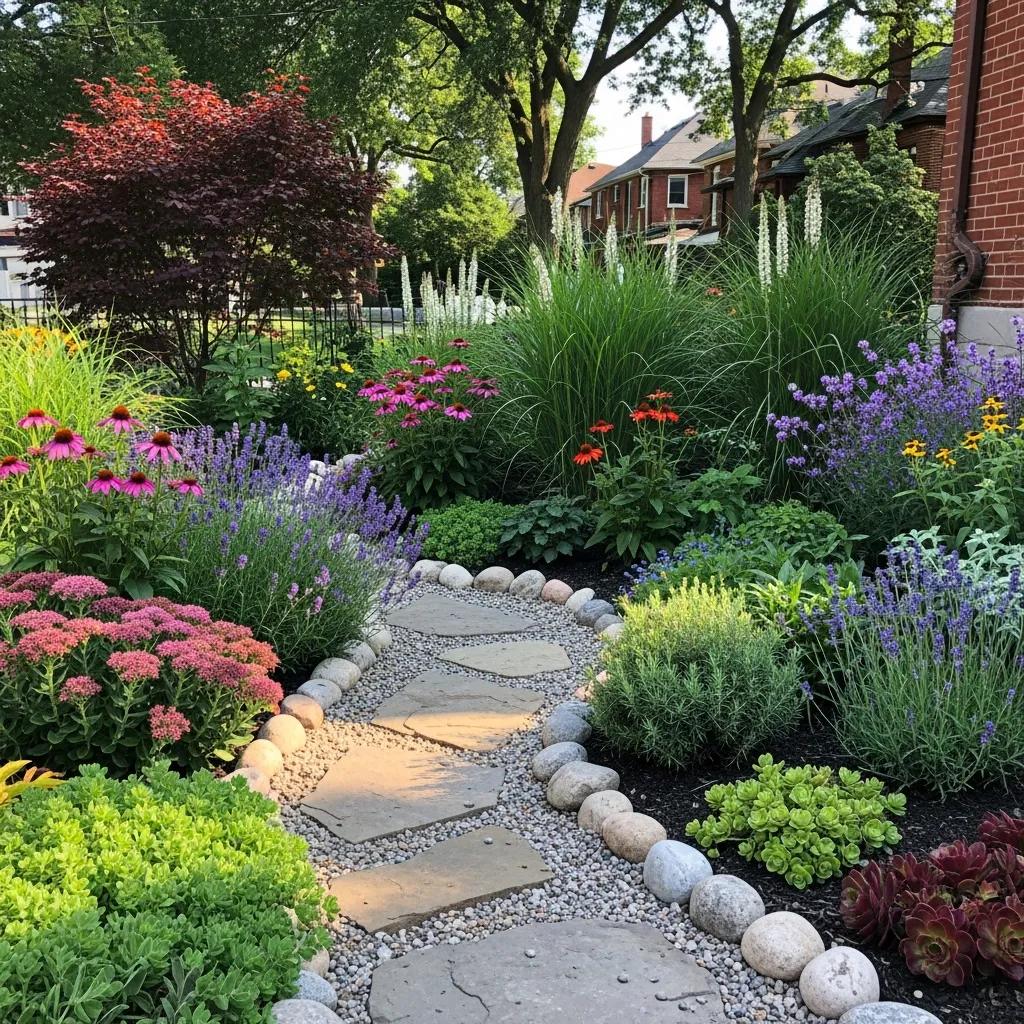
Water-Efficient Landscaping Tips for Toronto Gardens
Water-Efficient Landscaping Tips for Toronto Gardens: Expert Strategies
Creating a garden that thrives despite Toronto’s fluctuating climate requires innovative approaches to water efficiency. With increasing temperatures and variable rainfall patterns, gardeners need sustainable solutions that minimize water use while promoting lush, resilient landscapes. This article delves into the principles of xeriscaping and the use of native plants, offering practical tips for reducing water consumption in your garden. Readers will discover how local climate conditions shape plant choices, the benefits of xeriscaping, and effective irrigation technologies. We’ll also explore how soil management enhances moisture retention and the role of rainwater harvesting in creating sustainable gardens.
How does Toronto’s climate influence water-efficient landscaping choices?
Toronto’s climate presents unique challenges that directly impact water-efficient landscaping practices. The city experiences a humid continental climate with distinct seasons, leading to variations in rainfall and temperature that influence gardening strategies. Understanding these climatic nuances is essential for anyone aiming to create a water-efficient garden.
What are Toronto’s key climate and water challenges for gardeners?
Gardening in Toronto involves navigating a range of climate-related challenges, including:
- Seasonal Variability: Toronto experiences unpredictable weather patterns—hot summers often followed by cold winters, complicating plant choices
- Precipitation Levels: Rainfall can be inconsistent, resulting in periods of drought, which demand efficient water use practices.
- Urban Heat Island Effect: Urbanization leads to higher temperatures that can stress plants and increase water evaporation.
These challenges necessitate strategies that promote plant resilience and efficient water use, which can be achieved through appropriate plant selection and garden design.
How do local climate zones affect plant selection and irrigation?
Toronto is divided into several climate zones, which can greatly influence gardening decisions. Factors such as soil type, microclimates, and the thermal characteristics of specific areas can determine which plants thrive.
- Zone 6a and 6b: These areas are suitable for a mix of native plants and drought-resistant species, which can endure both summer heat and winter cold.
- Irrigation Needs: Understanding local conditions helps inform optimal irrigation methods. Gardens in heat-absorbing areas may require more efficient watering systems to minimize evaporation loss.
Choosing the right plants for specific climate zones fosters a garden that is not only visually appealing but also sustainable.
What are the core principles and benefits of xeriscaping for Toronto gardens?
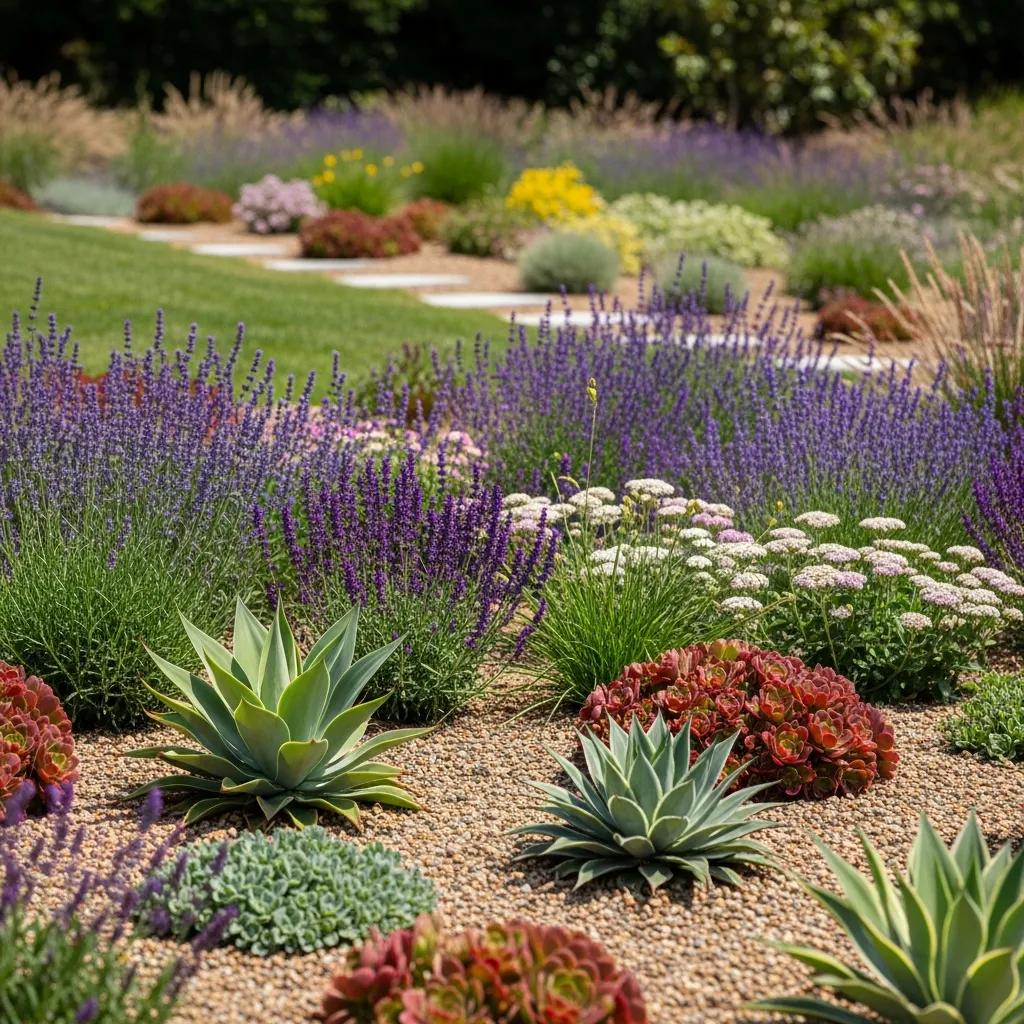
Xeriscaping is a landscaping philosophy designed to reduce or eliminate the need for irrigation in a garden by using drought-resistant plants and efficient practices. This approach is particularly beneficial for Toronto, where environmental considerations are paramount.
How does xeriscaping reduce water consumption effectively?
Xeriscaping can significantly lower water consumption through several practices, including:
- Plant Selection: Utilizing native and drought-resistant plants that require less water for survival
- Soil Improvement: Incorporating organic matter to improve soil structure and moisture retention
- Efficient Layout: Organizing plants based on their water needs minimizes overwatering, ensuring that water is conserved where it is most needed
By implementing xeriscaping methods, gardeners can achieve lush, vibrant gardens while greatly reducing their water bills and environmental impact.
Which drought tolerant and native plant species thrive in xeriscaped Toronto gardens?
Several native plant species are especially well-suited for xeriscaping in Toronto gardens:
- Purple Coneflower (Echinacea purpurea): Thrives in full sun and attracts pollinators
- Black-eyed Susan (Rudbeckia hirta): A hardy perennial that blooms throughout summer, requiring minimal water
- Canadian Wild Ginger (Asarum canadense): Prefers shade and moist conditions but is drought resilient once established
These plants provide aesthetic value and environmental benefits, such as supporting local wildlife and enhancing biodiversity.
Further research supports the idea that strategically conditioning native plants can improve their resilience to drought conditions, enhancing the success of ecological restoration efforts.
Which drought resistant and native plants are best suited for water-saving Toronto gardens?
Selecting the right plants can drastically improve a garden’s water efficiency and overall health.
What native plant species in Toronto provide high drought tolerance?
Native plants are fundamental to create a sustainable garden, offering both beauty and resilience. Key species include:
- Little Bluestem (Schizachyrium scoparium): A drought-tolerant grass that provides texture and movement
- Goldenrod (Solidago spp.): Known for its striking yellow flowers, it thrives in poor soil conditions and requires little water
These native species are well-adapted to local conditions, ensuring that gardens remain vibrant even during dry spells.
Understanding the unique characteristics of indigenous plants, particularly their drought tolerance, is vital for urban landscaping and maximizing the use of diverse plant genetic resources.
How to select drought resistant plants for year-round garden resilience?
When choosing drought-resistant plants, consider the following factors:
- Local Adaptation: Select plants that are native to the region or have proven drought resistance
- Seasonal Interest: Aim for a mix of plants that provide visual appeal throughout the year, accommodating Toronto’s seasonal changes
- Maintenance Needs: Choose plants that not only save water but also require minimal care, making garden upkeep more manageable
Such selections contribute to a low-maintenance, water-efficient landscape that thrives throughout the year.
What efficient irrigation technologies optimize water use in Toronto gardens?
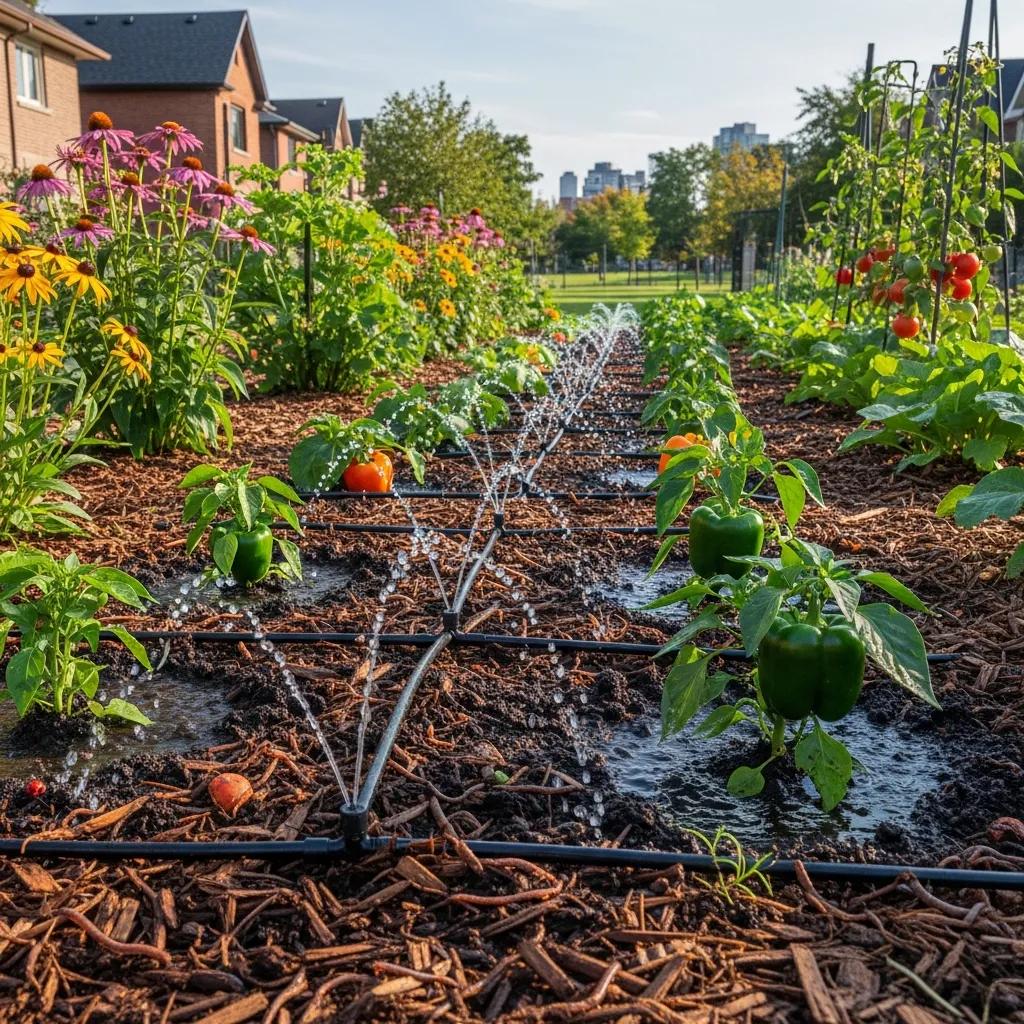
An efficient irrigation system is critical for maintaining lush gardens in water-scarce situations. Various technologies can help optimize water use in Toronto gardens.
How do drip irrigation systems and soil moisture sensors conserve water?
Drip irrigation systems deliver water directly to the base of plants, minimizing evaporation and runoff. Alongside this, soil moisture sensors can monitor moisture levels, ensuring that irrigation only occurs when necessary. This combination allows gardeners to conserve water effectively while ensuring that plants receive adequate hydration.
What are the installation and maintenance best practices for Toronto’s irrigation systems?
To maintain effective irrigation systems, consider the following best practices:
- Regular Monitoring: Check moisture levels and system efficiency regularly to ensure optimal performance
- Seasonal Adjustments: Adjust watering schedules based on seasonal weather patterns and plant needs
- System Maintenance: Inspect drip lines for blockages or damage, and ensure that emitters are functioning correctly to prevent overwatering
Taking these steps can prolong the life of your irrigation system and contribute to a healthier garden.
How can soil management and mulching enhance moisture retention in dry Toronto landscapes?
Soil management and mulching are integral to water conservation efforts in gardening.
What soil amendments improve water retention and plant health?
Incorporating organic amendments, such as compost or peat moss, can significantly improve soil structure and enhance its water-retaining capacity. These materials promote healthy microbial activity, which supports plant growth.
Which mulching types are most effective for Toronto garden water conservation?
Organic mulches, such as wood chips or straw, effectively retain soil moisture and regulate temperature. Applying a 2-3 inch layer of mulch around plants can reduce evaporation and prevent weeds, creating a healthier garden environment.
What rainwater harvesting and water conservation techniques support sustainable gardening in Toronto?
Actively managing water resources is paramount in sustainable gardening.
How can rain barrels and harvesting systems reduce municipal water dependence?
Installing rain barrels allows gardeners to capture and store rainwater for irrigation, significantly reducing reliance on municipal water supplies. This practice not only conserves water but also lowers water bills, contributing to more sustainable gardening practices.
What Toronto municipal policies and incentives promote water-efficient landscaping?
Toronto offers several incentives for water-efficient landscaping, including rebates for rainwater harvesting systems and resources for xeriscaping initiatives. These policies encourage residents to adopt sustainable practices that benefit both gardens and the environment.
Contact us for all your irrigation system needs across the Greater Toronto Area, today!